
Halen Birleşmiş Milletler Orman Forumu Başkanlığı görevini de yürüten İsmail Belen, Avusturya ev sahipliğinde 23-25 Şubat 2026 tarihlerinde Viyena’da düzenlenen ”
The Country-Led Initiative on Advancing Sustainable Forest-based Bioeconomy Approaches will be convened as Global Summit” e katıldı.
https://www.bmluk.gv.at/en/coli.html
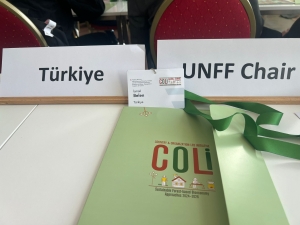
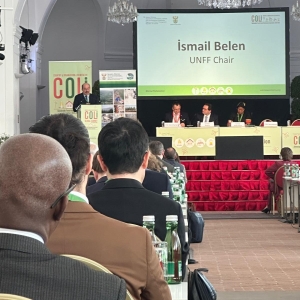
GÖNDER Yönetim Kurulu Başkanı ve Birleşmiş Milletler Orman Forumu (UNFF) Büro Başkanı İsmail Belen, Avusturya’nın başkenti Viyana’da düzenlenen “Global Summit: Advancing Sustainable Forest-based Bioeconomy Approaches” (Sürdürülebilir Orman Tabanlı Biyoekonomi Yaklaşımlarının Geliştirilmesi Küresel Zirvesi) etkinliğine katılarak zirvenin açılış konuşmasını gerçekleştirdi.
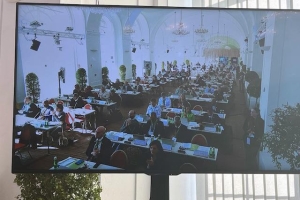
Avusturya’nın ev sahipliğinde gerçekleştirilen ve uluslararası ormancılık camiasının önemli temsilcilerini bir araya getiren zirve; sürdürülebilir orman yönetimi, biyoekonomi politikaları ve küresel iş birliği konularının ele alındığı üst düzey bir platform niteliği taşıdı.
Zirveye Avusturya Tarım, Orman, İklim ve Çevre Bakanı Norbert Totschnig ile Avrupa Birliği Çevre, Su Dayanıklılığı ve Rekabetçi Döngüsel Ekonomi Komiseri Jessika Roswall da katılım sağladı. UNFF Başkanı İsmail Belen, zirve kapsamında her iki yetkili ile ikili görüşmeler gerçekleştirerek sürdürülebilir ormancılık, orman temelli biyoekonomi ve uluslararası ormancılık politikaları konularında görüş alışverişinde bulundu.
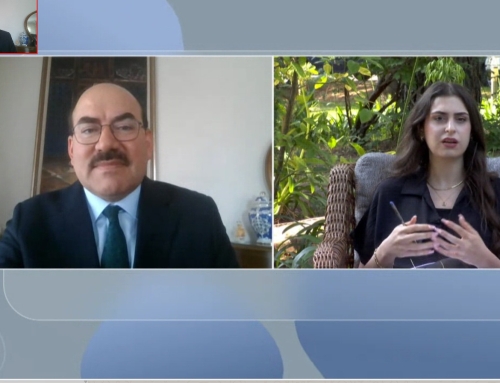
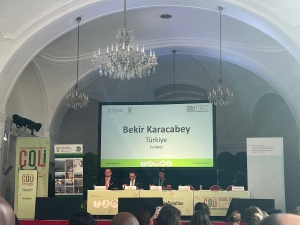
Türkiye açısından da önem taşıyan zirveye Orman Genel Müdürlüğü ortak kurumlar arasında yer alırken, Orman Genel Müdürü Bekir Karacabey toplantıya video konferans yöntemiyle katılım sağlayarak değerlendirmelerde bulundu.
İsmail Belen: Ormanlar sürdürülebilir kalkınmanın stratejik temelidir
Zirvenin açılış konuşmasını gerçekleştiren UNFF Başkanı İsmail Belen, günümüzde dünyanın iklim değişikliği, kuraklık, biyolojik çeşitlilik kaybı ve gıda güvenliği gibi birbirleriyle bağlantılı küresel sorunlarla karşı karşıya bulunduğunu belirtti.
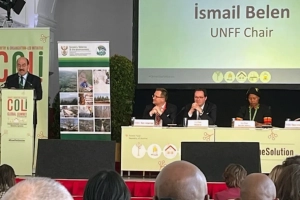
Belen konuşmasında, sürdürülebilir şekilde yönetilen ormanların yalnızca ekolojik varlıklar olmadığını, aynı zamanda dayanıklı ekonomilerin, toplumsal refahın ve sürdürülebilir kalkınmanın temel unsurlarından biri olduğunu vurguladı. Ormanların güvenli su ve gıda sistemleri açısından da kritik bir rol oynadığına dikkat çekti.
Ormanların yaşayan biyolojik sistemler olduğunu ifade eden Belen, sağlıklı ve dirençli orman ekosistemlerinin ancak bilimsel ormancılık uygulamaları ve silvikültürel yöntemlere dayalı yönetim anlayışı ile mümkün olabileceğini belirtti. Yetersiz veya yanlış yönetilen ormanların yangın, zararlı ve hastalık risklerine karşı daha kırılgan hale geldiğini vurguladı.
Belen ayrıca sürdürülebilir orman tabanlı biyoekonomi yaklaşımlarının doğa, ekonomi ve toplum açısından çok yönlü fayda sağlayan önemli bir fırsat sunduğunu ifade ederek, bu yaklaşımın insan faaliyetleri ile doğa arasında uyum sağlayan yeni bir kalkınma perspektifi ortaya koyduğunu dile getirdi.
Konuşmasında birlik ve iş birliğinin önemine de değinen Belen, “Einigkeit macht stark – birlik güçtür” ifadesine atıfta bulunarak sürdürülebilir kalkınmanın insan ile doğa arasındaki güçlü ortaklık sayesinde mümkün olacağını vurguladı.
“Vienna Call for Action” kabul edildi
Zirvenin en önemli çıktılarından biri, sürdürülebilir orman tabanlı biyoekonomi alanında uluslararası iş birliğinin güçlendirilmesini amaçlayan “Vienna Call for Action for a Sustainable Forest-based Bioeconomy” belgesinin kabul edilmesi oldu.
Zirve katılımcıları tarafından kabul edilen bu belge; sürdürülebilir orman yönetimine dayalı orman tabanlı biyoekonomi yaklaşımlarının (Sustainable Forest-based Bioeconomy Approaches – SFBA) küresel ölçekte geliştirilmesi ve yaygınlaştırılması için politika, finansman, inovasyon ve iş birliği alanlarında ortak bir çerçeve ortaya koymaktadır.
Belgede özellikle sürdürülebilir orman tabanlı biyoekonominin politika süreçlerine entegre edilerek sistemsel dönüşümün teşvik edilmesi, orman sahipleri, yerel topluluklar, kadınlar ve gençler başta olmak üzere tüm paydaşların sürece dahil edilmesini esas alan kapsayıcı bir yaklaşımın güçlendirilmesi, sektörün gelişimini destekleyecek hedefli finansman kaynaklarının ve yatırım mekanizmalarının mobilize edilmesi, sürdürülebilir orman ürünlerine dayalı değer zincirlerinin ve yenilikçi teknolojilerin geliştirilmesi ile ulusal, bölgesel ve küresel düzeyde çok paydaşlı iş birliği ve ortaklıkların artırılması gibi temel öncelik alanlarına vurgu yapılmaktadır.
Söz konusu belge, sürdürülebilir orman yönetimi temelinde doğa-pozitif, dirençli ve kapsayıcı ekonomilere geçişi destekleyen politika ve uygulamaların geliştirilmesi açısından uluslararası düzeyde önemli bir yol haritası niteliği taşımaktadır.
Türkiye–Avusturya ormancılık iş birliği gündemde
Zirvenin ardından uluslararası ormancılık iş birliğine yönelik temaslar da hız kazandı. Bu kapsamda Avusturya Orman Genel Müdürü Elfriede Anna Moser başkanlığındaki bir heyetin 7–10 Eylül 2026 tarihlerinde Türkiye’yi ziyaret etmesi yönünde görüşmeler başlatıldı.
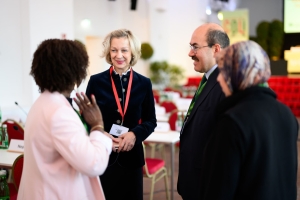
Planlanan ziyaretin Türkiye ile Avusturya arasında ormancılık, sürdürülebilir orman yönetimi ve orman tabanlı biyoekonomi alanlarında iş birliğinin geliştirilmesine katkı sağlaması bekleniyor.
İlgili linkler:
Opening Remarks By
Mr. Ismail Belen,
Chair Of the UNFF Bureau
Global Summit on:
Advancing Sustainable Forest-based Bioeconomy Approaches
23 February 2026
Vienna, Austria
Excellencies, Distinguished Experts and Participants, Ladies and Gentlemen,
Good morning.
It is a great pleasure to be with you today in Vienna.
As a forest engineer by training, I feel particularly honored to join distinguished foresters and friends of forest at this Global Summit.
At the outset, allow me to express my sincere appreciation to Minister Norbert Totschnig and his distinguished team, as well as to the Government of Austria, for their leadership in convening this important and timely initiative.
We gather at a time marked by interlinked global crises — climate change, drought, biodiversity loss, food insecurity, and widening socio-economic inequalities.
Yet even in the face of these challenges, it is essential to recall a fundamental principle reflected in the Sustainable Development Goals: every nation has the right to development, and every person has the right to a prosperous and dignified life.
Achieving this balance between planetary stability and human well-being requires systemic and forward-looking solutions. In this regard, forests and the goods and services derived from sustainably managed forest ecosystems play a truly pivotal role. They are not only ecological assets, but strategic foundations for resilient economies, social welfare including secure water and food, and sustainable development.
At the same time, we must recognize a scientific reality: forests, as living biological systems, depend on sound forestry science and silvicultural methods for their growth, regeneration, and resilience. Without proper management, forests cannot thrive, and we know all too well that poorly managed forests become more vulnerable to fires, pests, and diseases.
This is precisely why advancing Sustainable Forest-Based Bioeconomy Approaches presents such a remarkable opportunity. It creates benefits for nature, forests, economies, and people alike — a true win-win outcome.
But beyond mutual gains, it offers something even more valuable: a pathway for harmonizing human activity with nature, enabling them to progress together rather than in conflict.
As a saying reminds us, “Einigkeit macht stark” — unity makes strength. In our context, this unity must be the partnership between humanity and nature.
In this regard, I warmly welcome “the Vienna Call for Action for a thriving sustainable forest-based bioeconomy”
It provides a timely roadmap for scaling solutions from pilot initiatives to systemic transformation.
Its emphasis on inclusiveness, targeted financing, innovation, and strengthened global cooperation reflects the level of ambition required to address today’s interconnected environmental and development challenges.
Distinguished Participants,
Allow me to reiterate that the United Nations Forum on Forests, as the intergovernmental policy platform continues to work actively with Member States, the Collaborative Partnership on Forests chaired by FAO, and major stakeholder groups to advance implementation of the United Nations Strategic Plan for Forests. Through this collective effort, we seek to halt deforestation, restore degraded landscapes, conserve biodiversity, support food security, mobilize finance, and scale up sustainable forest-based bioeconomy solutions worldwide.
In this broader context, I have the opinion that, the Vienna Call for Action provides an important strategic compass for translating global commitments into coordinated implementation across institutions, sectors, and upcoming international processes.
The months ahead provide a valuable sequence of opportunities to translate ambition into action. On 21 March, the world will celebrate the International Day of Forests under the theme “Forests and Economies,” underscoring the vital contribution of forests to livelihoods, prosperity, and sustainable development.
Shortly thereafter, we will convene at the twenty-first session of the United Nations Forum on Forests in May in New York, where governments and partners will come together to advance implementation and strengthen cooperation, and where I will have the honor of serving for the final time as Chair of the Bureau.
This momentum will continue at the FAO Committee on Forestry session later this year, in September/October and ultimately at the global climate conference to be held in Antalya, Türkiye, in November 2026, where I would be truly pleased to welcome you to my country.
In this context, I believe it would be highly beneficial to develop a forward-looking roadmap for implementing the commitments reflected in the “Vienna Call for Action for a Thriving Sustainable Forest-Based Bioeconomy,” ensuring that these milestones collectively generate coherence, momentum, and measurable progress toward our shared goals.
As I conclude, I would like once again to commend all those who have contributed to this Conference, whose preparations I have had the privilege to follow closely from the very beginning. I extend my warmest regards to the global forestry community.
Thank you very much.
Avusturya Bakanından gelen teşekkür mektubu: